
Description
Introduction
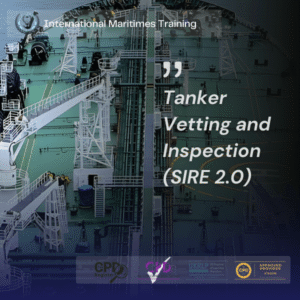
The Tanker Vetting SIRE 2.0 Online Training Course is designed to prepare maritime professionals for the latest tanker inspection standards introduced under the SIRE 2.0 regime. Developed by OCIMF, the updated framework focuses on human factors, competency-based assessments, and real-time operational performance.
As tanker inspections become more detailed and behavior-focused, shipping companies and officers must fully understand the new expectations. This course provides structured guidance to help Masters, Chief Officers, Engineers, and Vetting Departments confidently prepare for SIRE 2.0 inspections and maintain vessel compliance worldwide.
With the increasing scrutiny of tanker inspections worldwide, understanding the updated vetting framework is no longer optional. Shipping companies, tanker operators, and senior officers must ensure full alignment with modern inspection standards to maintain commercial competitiveness and operational reliability.
What is SIRE 2.0?
SIRE 2.0 is the updated version of the Ship Inspection Report Programme introduced by OCIMF to improve tanker safety standards globally.
Key improvements include:
- Competency-based inspection model
- Greater emphasis on human element and decision-making
- Digitalized inspection process
- Risk-based evaluation methods
- Behavioral assessment during onboard operations
Understanding these changes is essential for tanker operators aiming to avoid vetting observations and commercial delays.
Who Should Attend?
This course is ideal for:
- Masters & Chief Officers
- Chief Engineers
- Tanker Deck & Engine Officers
- Marine Superintendents
- Vetting & Compliance Departments
- Shipping Company Management
Course Learning Objectives
By the end of this training, participants will:
- Understand the structure of SIRE 2.0 inspections
- Interpret OCIMF vetting expectations
- Prepare vessels for behavioral-based inspections
- Identify common inspection findings
- Improve tanker compliance and safety culture
- Reduce risk of vetting rejection
Course Format
- 100% Online Access
- Self-paced learning
- Immediate enrollment
- Downloadable Certificate of Completion
- Accessible worldwide
Why Choose This SIRE 2.0 Course?
- Designed for practical onboard application
- Structured around real inspection scenarios
- Suitable for international tanker operations
- Updated to reflect latest SIRE 2.0 requirements
SIRE 2.0 vs Previous SIRE Framework
The transition from the previous SIRE regime to SIRE 2.0 represents a major shift in tanker inspection philosophy. While earlier inspections focused primarily on checklist verification and documentation review, the updated framework introduces a competency-based and behavior-driven assessment model.
Under SIRE 2.0, inspectors evaluate how officers and crew perform tasks in real time. Decision-making, situational awareness, and operational risk control are now key elements of tanker vetting.
This shift means that vessel preparation must go beyond documentation compliance and focus on crew understanding, onboard procedures, and safety culture implementation.
Common Tanker Vetting Observations & Risk Areas
Many tanker operators face recurring vetting observations due to gaps in procedural understanding or human-factor weaknesses.
Common inspection focus areas include:
- Cargo handling procedures
- Mooring operations safety
- Bridge resource management
- Permit-to-work implementation
- Risk assessment quality
- Engine room operational readiness
- Emergency preparedness
This course explains how these areas are assessed during inspections and how crews can prepare effectively.
Human Element & Behavioral Assessment
One of the most significant changes introduced in SIRE 2.0 is the emphasis on human factors.
Inspectors may now assess:
- Communication clarity between officers
- Task planning before execution
- Risk awareness during operations
- Leadership effectiveness onboard
- Crew familiarity with procedures
Understanding these behavioral expectations is essential for tanker officers aiming to meet modern inspection standards.
Digital Inspection & Data Collection
SIRE 2.0 introduces a modernized digital inspection system that enhances transparency and data consistency.
The inspection process now incorporates structured response formats and standardized reporting mechanisms. This reduces ambiguity and ensures more objective assessments.
Participants in this course will gain insight into how inspection data is captured and evaluated under the updated framework.
Industry Impact of SIRE 2.0
The implementation of SIRE 2.0 has significant implications for:
- Tanker charter approvals
- Commercial reputation
- Insurance considerations
- Safety performance benchmarking
Oil majors and charterers increasingly rely on vetting reports when selecting vessels. Proper preparation reduces operational delays and strengthens a company’s compliance profile.
Global Application & Compliance
The updated inspection regime applies across international tanker operations. Shipping companies operating crude oil tankers, product tankers, and chemical carriers must align with the evolving standards.
This training is designed to support compliance across different flag administrations and trading areas worldwide.
Practical Vessel Preparation Strategy
Successful tanker vetting preparation requires a structured onboard strategy. Compliance cannot rely solely on documentation. Instead, vessels must demonstrate operational readiness and crew competence.
Effective preparation includes:
- Conducting internal mock inspections
- Reviewing previous vetting observations
- Ensuring procedural consistency across departments
- Strengthening risk assessment practices
- Verifying crew familiarity with safety management systems
Companies that adopt proactive preparation models significantly reduce the likelihood of adverse inspection findings.
Strengthening Safety Culture Onboard
Beyond regulatory compliance, SIRE 2.0 encourages the development of a strong safety culture within tanker operations.
This includes:
- Leadership accountability
- Transparent communication
- Continuous training and improvement
- Learning from near-miss incidents
- Active crew engagement in risk management
Building a culture of safety enhances both inspection outcomes and long-term operational performance.
🔹 Enroll Today
Prepare your vessel and crew for the evolving tanker inspection standards. Enroll now in the Tanker Vetting & Inspection course and strengthen your compliance readiness worldwide.