
Marine Cargo Surveyor: 7 Essential Qualifications & Career Guide
Home
Service Details
What Qualifications Do I Need to Become a Marine Cargo Surveyor?
A Marine Cargo Surveyor is a specialized professional responsible for inspecting, evaluating, and reporting on cargo transported by sea. Their work plays a critical role in international shipping, marine insurance, logistics, and claims settlement.
As global trade continues to grow, the demand for qualified Marine Cargo Surveyors is increasing worldwide. If you are considering a career in this field, this comprehensive guide explains the required qualifications, certifications, skills, and career opportunities.
1. Educational Qualifications
While there is no single mandatory degree required in all countries, most employers prefer candidates with a background in maritime or logistics-related fields, such as:
-
Maritime Transport
-
Marine Engineering
-
Nautical Science
-
Port Management
-
Logistics and Supply Chain Management
-
International Trade
In addition to academic degrees, many professionals complete specialized training programs or diplomas in Marine Cargo Surveying, which typically cover:
-
Cargo inspection procedures
-
Loading and unloading operations
-
Types of cargo (general cargo, containerized cargo, bulk cargo)
-
Dangerous goods handling
-
Marine insurance fundamentals
-
Claims investigation
-
Technical report writing
-
International maritime regulations
Specialized maritime training significantly improves employability and professional credibility.
2. Professional Certifications
Oil majors and charterers rely heavily on vetting inspection results when approving vessels. Poor inspection outcomes may lead to:
- Commercial rejection
- Charter delays
- Increased scrutiny
- Reputational damage
Compliance with SIRE 2.0 standards is therefore essential for maintaining fleet competitiveness.
- Understand real OCIMF SIRE 2.0 inspection expectations
- Learn key operational areas inspectors evaluate
- Prepare officers for behavioral-based interviews
3. Practical Experience
Field experience is highly valued in this profession. Many Marine Cargo Surveyors begin their careers in:
-
Shipping companies
-
Port operations
-
Marine insurance firms
-
Inspection and quality control companies
-
Logistics providers
Hands-on experience allows surveyors to:
-
Identify hidden cargo damage
-
Determine the cause of loss
-
Distinguish between pre-shipment and post-shipment damage
-
Produce legally reliable inspection reports
Practical knowledge is often what differentiates an average surveyor from a highly respected professional.
4. Essential Skills for a Marine Cargo Surveyor
Beyond academic qualifications, successful surveyors must develop key professional skills:
Analytical Skills
Ability to assess damage, identify causes, and evaluate risk accurately.
Technical Reporting Skills
Preparing clear, objective, and well-documented inspection reports with photographic evidence.
Knowledge of Maritime Law
Understanding international shipping conventions and marine insurance principles.
Communication Skills
Working effectively with insurers, shipowners, freight forwarders, and cargo owners.
Attention to Detail
Small observations can have significant financial and legal consequences.
5. Where Can Marine Cargo Surveyors Work?
Qualified Marine Cargo Surveyors can work in:
-
Marine insurance companies
-
Shipping lines and freight operators
-
Independent marine surveying firms
-
International inspection agencies
-
Port authorities
-
As freelance or independent consultants
With sufficient experience, many professionals establish their own surveying businesses.
6. Why Is This Career in Demand?
- Growth in international trade and maritime transport
-
Increasing complexity of cargo logistics
-
Rising insurance claims and dispute resolution cases
-
Need for independent, technically competent experts
- Marine Cargo Surveying offers international mobility and long-term career stability.
Frequently Asked Questions (FAQ)
What is the difference between a Marine Surveyor and a Marine Cargo Surveyor?
A Marine Surveyor may inspect ships, machinery, and maritime structures, while a Marine Cargo Surveyor specifically focuses on inspecting and evaluating cargo transported by sea.
Do I need a university degree to become a Marine Cargo Surveyor?
A degree is not always mandatory, but a background in maritime, logistics, or engineering significantly improves career prospects.
How long does it take to qualify as a Marine Cargo Surveyor?
Training duration varies depending on the program. Short professional courses may last a few weeks, while diploma programs can take several months.
Can I work independently as a Marine Cargo Surveyor?
Yes. After gaining sufficient experience and professional recognition, many surveyors operate independently or establish their own companies.
What industries hire Marine Cargo Surveyors?
Marine insurance, shipping companies, logistics providers, port authorities, and inspection agencies frequently hire qualified surveyors.
According to the International Maritime Organization (IMO), maritime safety and cargo compliance are critical components of global shipping standards.
Featured Thinking
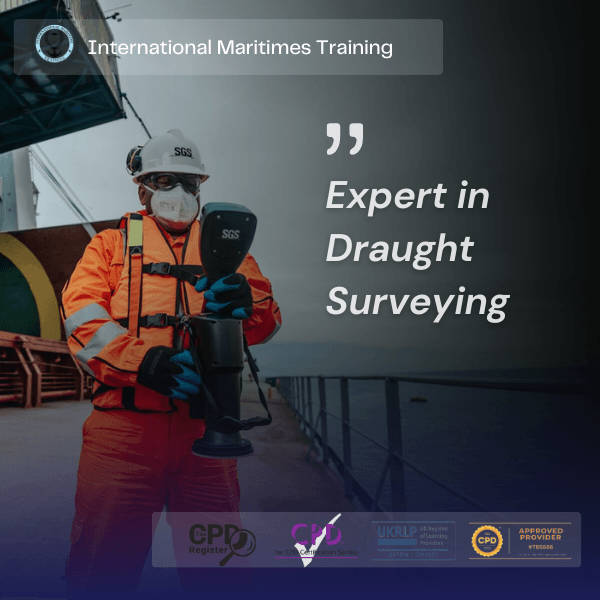
Expert in Draught Surveying
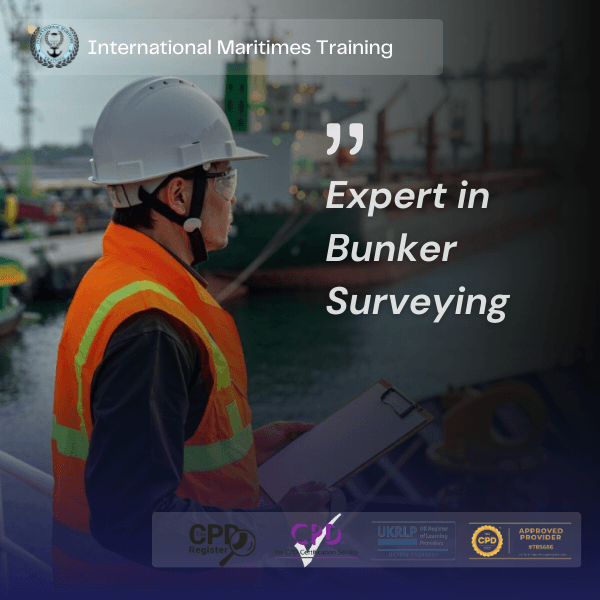
Expert in Bunker Surveying
What You Will Learn in Marine Cargo Surveying Training
READY TO START YOUR CAREER AS A MARINE CARGO SURVEYOR?
Gain practical cargo inspection skills, understand marine insurance procedures, and become industry-ready with structured Marine Cargo Surveying training.