
Study Mode
100% Online
Delivered through the IMT learning platform.
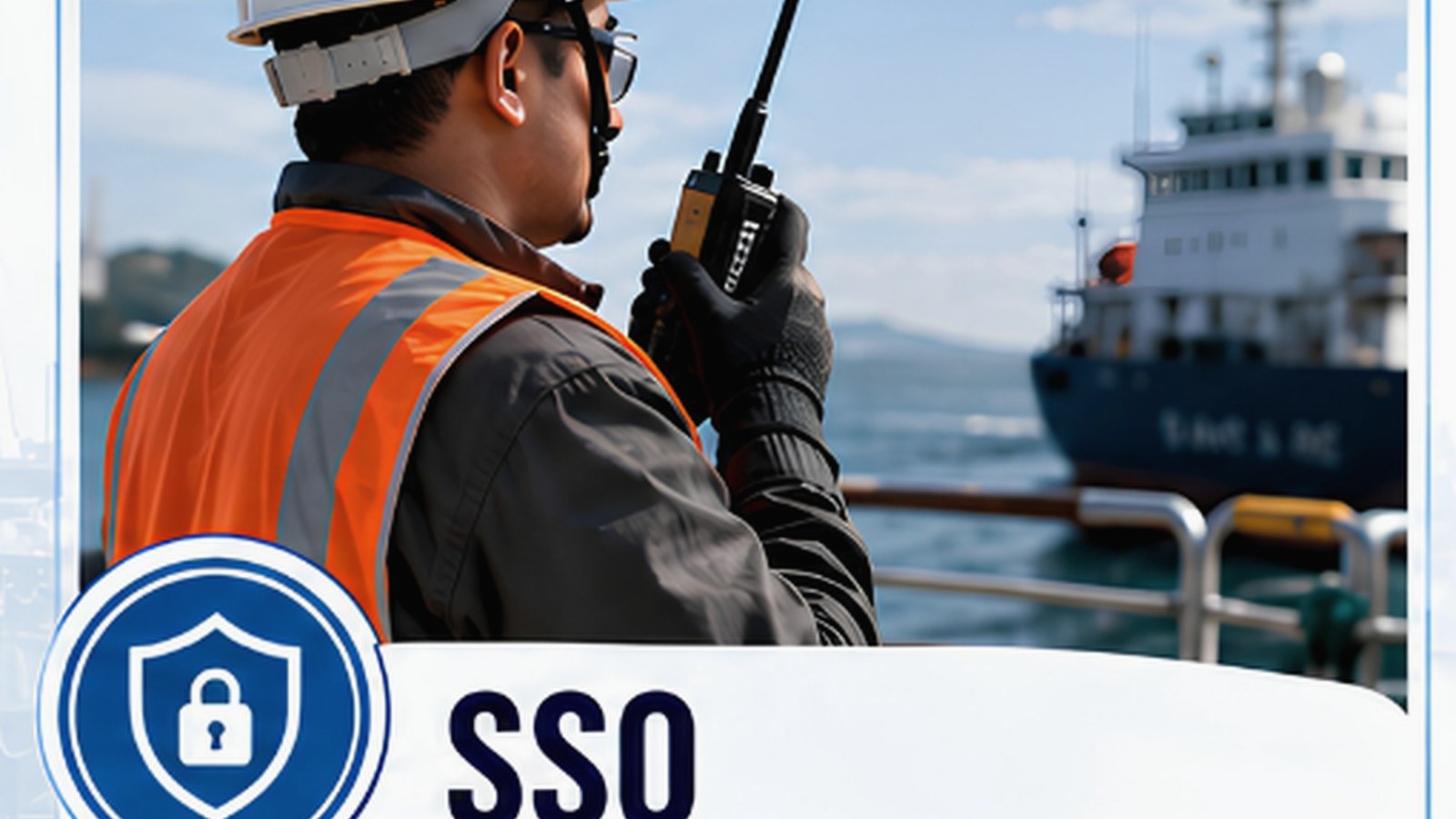
Develop practical knowledge of onboard safety responsibilities, hazard identification, risk assessment, accident prevention, incident reporting, safety meetings, crew communication and the development of a stronger shipboard safety culture.
IMT's current Ship Safety Officer course is listed as a Certificate of Competence delivered fully online with flexible self-paced study.
100% Online
Delivered through the IMT learning platform.
52 hours
Current course-page duration.
1 section • 1 lesson • 1 quiz
Current catalogue structure.
English
Flexible self-paced online learning.
A Ship Safety Officer is an onboard safety role that helps support occupational health, accident prevention, safe working practices and effective consultation with the crew.
The exact legal requirement and duties depend on the vessel's flag State and the regulations that apply to the ship. In the United Kingdom, current MCA guidance under the Merchant Shipping and Fishing Vessels (Health and Safety at Work) Regulations 1997, as amended, states that a safety officer must be appointed on seagoing ships with five or more seafarers, other than fishing vessels.
The role is intended to help the shipowner, Master, officers and crew maintain a safe working environment. In practice, a safety officer may support hazard identification, risk assessment, safe-working procedures, safety meetings, communication of hazards, use of protective equipment, incident learning and the promotion of better safety behaviour onboard.
The safety officer should not work in isolation. Effective onboard safety depends on cooperation between the Master, officers, ratings, safety representatives, shore management and the company's wider safety-management arrangements.
Specific duties vary by flag and company, but the role generally supports the practical management of occupational safety onboard.
Encourage crew members to recognize hazards and treat safe working as part of normal operations.
Participate in identifying hazards, evaluating risk and reviewing whether controls are suitable.
Help identify unsafe practices, weak controls or conditions that may increase the likelihood of an accident.
Support constructive consultation about onboard hazards, incidents, lessons and improvement actions.
Help ensure accidents, near misses and hazardous occurrences lead to useful lessons and preventive action.
Support awareness of correct use and availability of appropriate protective and safety equipment.
Provide a practical route for raising safety concerns and improvement proposals onboard.
Encourage reporting, participation and learning rather than allowing unsafe shortcuts to become normal practice.
Requirements are flag-State specific. The United Kingdom provides a useful published example of how the role is regulated.
The acronyms can be confusing, but these are different professional functions.
Focuses on occupational and operational safety: accident prevention, safe working practices, hazards, risk assessment, crew consultation and safety culture.
Is a maritime-security role under the ISPS Code and STCW security-training framework, focusing on implementation and maintenance of the Ship Security Plan and security duties.
Risk assessment is one of the most practical tools for preventing injuries and unsafe operations onboard.
Recognize equipment, conditions, actions or environmental factors that could cause harm.
Consider crew members, contractors, visitors or others who may be exposed to the hazard.
Review procedures, permits, barriers, PPE, supervision and other safeguards already in place.
Consider likelihood and consequence after existing controls are taken into account.
Where risk is not adequately controlled, identify additional practical safeguards.
Make sure everyone involved understands the safe method of work before the task begins.
Observe whether controls remain effective when the work is actually performed.
Update the assessment after changes, incidents, near misses or lessons learned.
The safety officer needs broad awareness of the types of work where strong planning, supervision and risk controls are essential.
Fall prevention, equipment, access arrangements, weather and rescue considerations.
Atmosphere testing, authorization, communications, standby arrangements and emergency readiness.
Fire and explosion controls, permits, isolation, gas testing and fire-watch arrangements.
Snap-back zones, line condition, communications, positioning and team coordination.
Isolation, stored energy, tools, guards, permits and safe restoration of equipment.
Isolation, testing, authorization and prevention of accidental energization.
Equipment condition, load limits, planning, communication and exclusion zones.
Selecting and correctly using PPE as part of a broader hierarchy of risk controls.
Good safety management does not stop at recording an accident. The aim is to understand what happened and reduce the likelihood of recurrence.
Encourage prompt reporting of accidents, near misses and hazardous conditions.
Help ensure relevant facts, records and operational information are retained.
Look beyond the immediate act to technical, procedural, organizational and human factors.
Communicate useful learning to crew members and relevant shore personnel.
Update risk assessments, procedures, training or equipment when improvement is needed.
Follow corrective actions until they are implemented and verified.
Consider whether the same weakness could affect another task, department or vessel.
Use learning to strengthen reporting, communication and trust around safety issues.
A practical SSO programme should help participants understand the role, common onboard hazards and the systems used to prevent accidents.
The course is particularly relevant to seafarers and shore-based professionals who need stronger practical knowledge of occupational safety onboard ships.
Personnel preparing for or already supporting the onboard safety-officer function.
Senior deck officers responsible for safe operations and crew leadership.
Engineering personnel supervising high-risk technical work and machinery operations.
Crew members participating in onboard safety consultation and improvement.
Shore-based personnel monitoring shipboard safety, incidents and operational performance.
Professionals working with risk, safety systems, audits and incident prevention.
Personnel delivering safety inductions, toolbox talks or operational training.
Professionals supporting vessel safety reviews, risk assessment and safety improvement.
The current IMT course page lists the programme as fully online, flexible and focused on practical application of shipboard safety principles.
The programme is delivered through the IMT web learning platform and can be studied remotely without travel.
The current course overview includes safety-officer duties, maritime safety regulations, risk assessment, accident prevention, incident reporting, training and safety culture.
The current catalogue lists one lesson and one quiz, and states that a course certificate is issued after successful completion of the course examination.
Because legal requirements vary by flag State, students should use the relevant Administration's current rules and official occupational-safety guidance.
Current UK guidance on shipowner, Master, officer and seafarer responsibilities under the Merchant Shipping and Fishing Vessels (Health and Safety at Work) Regulations 1997, as amended.
Official MCA Guidance →UK government guidance on the Code of Safe Working Practices for Merchant Seafarers and practical shipboard safety controls.
Official GOV.UK Guidance →The MLC, 2006 includes requirements relevant to occupational safety and health protection for seafarers.
Official ILO MLC Resource →Answers to common questions from seafarers and maritime professionals researching Ship Safety Officer duties and online training.
A Ship Safety Officer is an onboard occupational-safety role that supports accident prevention, hazard awareness, safe working practices, risk control and safety consultation with the crew.
Duties vary by flag State and company, but commonly include promoting safety awareness, supporting risk assessments, identifying unsafe conditions, participating in safety meetings, encouraging incident reporting and helping improve safe working practices.
The requirement depends on the vessel's flag State. For example, current UK MCA guidance requires a safety officer on seagoing ships with five or more seafarers, other than fishing vessels.
No. A Ship Safety Officer focuses on occupational and operational safety. A Ship Security Officer is a security role under the ISPS Code and STCW security framework.
Rules depend on the flag State. Current UK MCA guidance says it is not advisable for the Master or the officer responsible for medical care onboard to be the ship's safety officer.
A safety committee provides a structured forum for the Master, safety officer and crew representatives to discuss occupational-safety issues, hazards, incidents and improvements.
The safety officer can support hazard identification, risk assessment and monitoring of controls, while overall health-and-safety responsibilities remain distributed across the shipowner, Master, officers and crew according to applicable regulations and company procedures.
Yes. IMT currently lists the Ship Safety Officer programme as 100% online with 52 hours of study and flexible scheduling.
This page does not make that claim. The MCA recognizes safety-officer courses accredited in line with MNTB criteria, so IMT should only advertise MCA/MNTB recognition if separate documentary evidence confirms it.
Useful related pathways include Risk Management, Incident Investigation, Safety Management Systems, ISM/ISPS/MLC Maritime Auditor and Train the Trainer depending on your responsibilities.
Tell us about your current position, vessel type and whether your goal is to take on a safety role, improve onboard risk management or strengthen your maritime safety knowledge.